
Oral Pathology
Oral Pathology Evaluation and Diagnosis in Metro Atlanta
Proficient medical care is within easy reach at Atlanta Oral & Facial Surgery, including collaboration with oral pathologists. Proudly serving Metro Atlanta, GA, we carefully and accurately assess oral and maxillofacial conditions, diagnose issues and concerns, and offer sound medical guidance and surgical intervention to resolve them. On this page, we discuss the details of oral pathology and what to expect with this medical service.

What Is Oral Pathology?
Oral pathology is the dental specialty that studies diseases affecting the mouth, jaws, and related structures. It helps identify causes, progression, and effects of conditions like lesions, infections, and tumors. This information guides us to accurate diagnosis and personalized treatment plans for patients experiencing oral and maxillofacial health concerns using clinical and microscopic evaluation.
The Role of an Oral Pathologist & Maxillofacial Pathologist
An oral and maxillofacial pathologist plays a critical role in dental medicine by diagnosing diseases of the mouth, jaws, and facial tissues. They analyze biopsies, interpret lab findings, and collaborate with our oral and maxillofacial surgeons at AOFS to guide treatment decisions. These measures ensure our patients receive accurate care for complex oral and facial health conditions’ outcomes.
Common Oral and Maxillofacial Conditions
Oral and maxillofacial conditions come in many forms and severities, and seeking early diagnosis and treatment is paramount to recovery and preventing more significant problems. Below, we’ve described some common oral and maxillofacial conditions that Atlanta Oral & Facial Surgery’s patients encounter:
Oral lesions and ulcers are abnormal breaks or sore areas in the lining of the mouth, often appearing as painful spots or open wounds. These areas can be caused by trauma, infections, stress, nutritional deficiencies, immune conditions, or reactions to medications, foods, or dental appliances. Their severity ranges from mild irritations to serious diseases.
Orofacial diseases and infections involve the mouth, jaws, and facial tissues, causing pain, swelling, or functional problems with speaking and chewing. They may happen because of tooth decay, gum disease, trauma, or systemic illnesses. These problems can range from minor, easily treated issues to severe, potentially life‑threatening infections if not managed promptly.
Oral cancer is a malignant growth in the mouth or throat, while precancerous conditions are abnormal cell changes that could turn cancerous if untreated. These problems may cause persistent sores, lumps, color changes, pain, or difficulty swallowing. They’re also very serious because early detection greatly improves survival and successful treatment.
Periodontal disease is inflammation and infection of the gums and supporting bone around teeth, usually caused by plaque buildup and poor oral hygiene. Along with other inflammatory oral and maxillofacial conditions, it’s triggered by bacteria, injury, or systemic disease. It can progress from mild gum irritation to painful infection, bone loss, and tooth loss.
What Do Oral Lesions Look Like?
Oral lesions can appear as flat or raised spots, patches, or sores that may be white, red, yellow, or darker than the surrounding tissue. They might look smooth, rough, or ulcerated, and they can range from tiny pinpoint areas to large, irregular surfaces.
What Does Oral Cancer Look Like?
Oral cancer may appear as a persistent sore, lump, or thickened area that does not heal, often with red, white, or mixed patches, crusting, or ulceration. It can bleed easily, feel firm, and may change in size, texture, or cause numbness or pain.
How Oral Pathology Conditions Are Diagnosed
Oral surgeons at Atlanta Oral & Facial Surgery use various methods and technologies to diagnose oral conditions and determine the best treatment options accurately. We’ve described some clinically trusted diagnostic methods below to help you know what to expect when seeking our professional help:
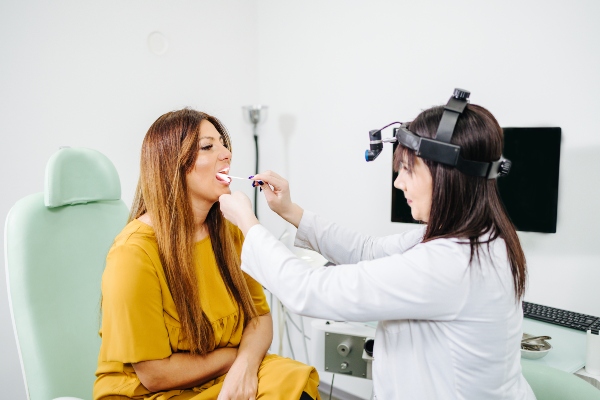
Clinical diagnosis evaluations for oral pathology involve carefully examining your mouth and face to identify visible signs of disease. Specialists like us assess lesion size, color, texture, and location, review medical and dental histories, ask about symptoms, and may use photos, palpation, and basic chairside tests to guide further investigations.
Imaging and diagnostic tools for oral pathology use technology to see inside teeth, bone, and soft tissues to reveal disease that may not be visible during an exam. We rely on digital X‑rays, panoramic radiographs, cone-beam CT scans, intraoral cameras, and sometimes medical grade CT scans or MRIs to guide accurate diagnosis and treatment.
Oral biopsy and laboratory testing diagnose oral pathology by analyzing tissue or fluid samples taken from suspicious areas in your mouth. Our specialists may perform incisional or excisional biopsies, then use microscopic examination, special stains, and microbiologic or molecular tests to identify infections, inflammatory diseases, dysplasia, or cancer accurately.
When Should You See an Oral Surgeon for Evaluation?
You should see an oral surgeon, such as Atlanta Oral & Facial Surgery, when you notice a persistent sore, lump, color change, or swelling that does not heal, worsens, or causes pain, bleeding, or difficulty eating or speaking. Early evaluation helps detect serious oral pathology conditions and ensures we can start appropriate treatment promptly.
Treatment Options for Oral Pathology Conditions
Treatment options for oral pathology conditions range from conservative care to complex surgery, depending on your diagnosis and severity. Non‑surgical approaches may include medications, topical therapies, mouth rinses, habit changes, and close monitoring. Surgical options, such as biopsy, lesion removal, reconstruction, or cancer surgery, are appropriate when we need to remove tissue or when disease threatens your oral or overall function or health.
Preventing Oral & Maxillofacial Disease
Atlanta Oral & Facial Surgery is committed to providing accurate diagnoses and professional guidance on treatment and prevention. With oral and maxillofacial disease, you can take measures to prevent issues from starting. You can lower your risk of oral and maxillofacial diseases by maintaining excellent daily oral hygiene, including thorough brushing, flossing, and fluoride use, combined with regular professional cleanings and exams. Limiting tobacco, alcohol, and sugary foods, managing systemic conditions like diabetes, protecting your mouth during sports, and addressing grinding or jaw pain early also help. Receiving recommended vaccines, following prescribed medications, and promptly evaluating any persistent sore, lump, or color change further reduce complications and support early detection. Reach out today to discuss your oral or facial condition and receive professional insights, diagnosis, and treatment.
Oral Pathology FAQs & Our Answers
An oral surgeon starts with a detailed conversation about your symptoms, medical history, habits, and medications, then performs a careful exam of your mouth, face, and neck. We evaluate your lesion’s size, color, texture, and duration, compare it with surrounding tissues, and may take photographs or measurements. If the area appears unusual or persists, we often recommend imaging or a biopsy. This step‑by‑step, medically guided process helps distinguish harmless irritations from infections, autoimmune conditions, or early cancer with greater confidence and safety.
An accurate oral pathology diagnosis combines multiple sources of evidence instead of relying on appearance alone. Our specialist integrates your health history, risk factors, and clinical exam findings with radiographs, lab work, and microscopic analysis of any biopsy samples. We compare these results with known disease patterns and may consult other specialists when needed. This structured, evidence‑based approach reduces guesswork, avoids unnecessary treatment, and helps ensure the final diagnosis matches what is truly happening in your tissues. We use this information to guide the development of the most appropriate, targeted care plan.
Oral and maxillofacial pathology covers a wide spectrum of conditions affecting the mouth, jaws, and facial structures. Commonly evaluated problems include persistent ulcers, white or red patches, suspicious lumps, pigmented spots, and unexplained swelling. Specialists also assess jaw cysts and tumors, salivary gland disorders, infections, autoimmune diseases that affect the oral lining, and precancerous or cancerous changes. We frequently help with complex cases where symptoms may reflect underlying systemic illnesses, such as blood disorders or gastrointestinal disease, ensuring that local and overall health concerns are considered in the final diagnosis.
Treatment depends on the cause, severity, and behavior of your condition. Non‑surgical options may include medicated rinses, topical gels, systemic medications, habit changes, and monitoring lesions that are stable but require observation. When tissue removal is necessary, surgical approaches range from minor in‑office excisions or biopsies to more complex procedures involving bone, soft tissue, or lymph nodes. We may sometimes coordinate with oncology or reconstructive teams. Our specialists’ goal is to remove or control disease while preserving function, appearance, and comfort as much as possible through tailored, patient‑specific planning.