
Oral Biopsy
Oral Biopsies and Lesion Removal in Metro Atlanta
If your dentist or doctor has noticed an unusual spot in your mouth, they may suggest an oral biopsy. Hearing the word “biopsy” can feel a little scary, but the procedure is often simple and will help your care team learn more about what’s going on. The Atlanta Oral & Facial Surgery team performs oral biopsies and lesion removal for patients throughout Metro Atlanta, GA. Whether your dentist referred you or you’ve noticed something yourself, we’ll support you through the process.
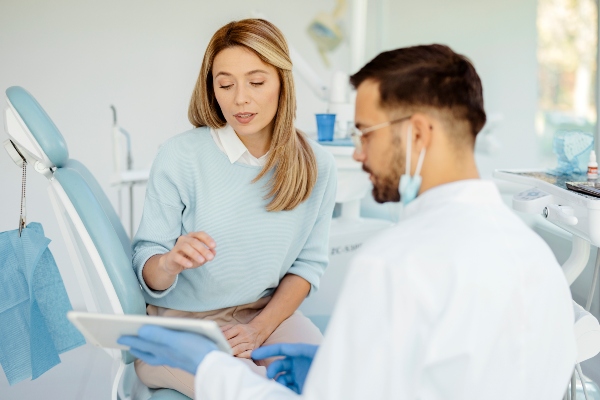
What Is an Oral Biopsy?
An oral biopsy is a procedure that removes a small sample of tissue from your mouth. That sample is then sent to a lab for analysis under a microscope. The goal is to learn about an area that appears or feels different from the surrounding tissue. A mouth lesion biopsy may be used to check spots on your:
- Gums – Tissue around your teeth that may show changes in color or texture
- Tongue – An area that may develop sores, bumps, or patches
- Cheeks – The inner lining of your mouth, where lesions can form
- Lips – Spots that don’t heal or seem to change over time
When Is an Oral Biopsy Recommended?
An oral tissue biopsy may be suggested when an area in your mouth needs a closer look. Checking concerns can help your care team plan the next steps. Some common reasons for an oral biopsy include:
- A Sore That Doesn’t Heal – A spot that lingers longer than two weeks
- Unusual Patches – White, red, or mixed-color areas that seem out of place
- Lumps or Bumps – Growths that feel firm or keep getting bigger
- Color or Texture Changes – Tissue that looks or feels different from nearby areas
Types of Oral Biopsies
There are a few ways to perform a mouth biopsy procedure. The method often depends on the size and location of the area being checked.
Incisional Biopsy
An incisional biopsy removes only part of the area in question. This approach is often used when the spot is larger or when removing it fully isn’t needed right away. The sample gives the lab enough tissue to study while leaving the rest in place.
Excisional Biopsy
An excisional biopsy removes the entire area, along with a small border of nearby tissue. This method may be chosen when the spot is small or when full removal seems necessary. In some cases, this can test and treat the area simultaneously.
What Happens During an Oral Biopsy Procedure?
An oral biopsy procedure is usually quick and done right in the office. Most appointments take less than an hour. Here’s a general idea of what may happen:
- Numbing the Area – A local anesthetic is used to keep you comfortable.
- Removing the Sample – Tissue is gently taken from the spot being checked.
- Closing the Site – Stitches may be used, depending on the size of the area.
- Sending it to the Lab – The sample is labeled and sent off for review.
Is an Oral Biopsy Painful?
Most patients feel little to no pain during the procedure, thanks to the numbing medicine. You may notice some soreness once the aesthetic wears off, but this is often mild. Over-the-counter pain relievers can usually help manage any discomfort during the first day or two.
How Long Does It Take to Get Results?
Results often take about one to two weeks, though this can vary. The lab carefully studies the sample, and your care team will reach out to you once the report is ready. They’ll walk you through what the findings mean and discuss any next steps that might be helpful.
Recovery After a Mouth Biopsy Procedure
Recovery from a mouth biopsy procedure is typically smooth. Follow these simple steps to accelerate the healing process:
- Eat Soft Foods – Stick to gentle options like yogurt or soup for a day or two.
- Avoid the Area – Try not to chew directly on the spot while it heals.
- Keep It Clean – Follow any rinsing instructions your care team gives you.
- Rest as Needed – Give your body time to recover, especially the first day.
Why Choose an Oral Surgeon for an Oral Tissue Biopsy?
An oral surgeon has expertise surrounding the mouth, jaw, and face. This background can be helpful when a biopsy involves a tricky spot or when sedation is needed. It’s often best to choose an oral surgeon to take your tissue biopsy because of their:
- Specialized Training – Years of focus on conditions of the mouth and jaw
- Comfort Options – Access to different forms of sedation when appropriate
- Surgical Skill – Experience handling areas that may be harder to reach
- Coordinated Care – The ability to work closely with your dentist or doctor
Oral Biopsy FAQ
Costs can vary based on the type of biopsy and your insurance coverage. Our team will review your options and explain any out-of-pocket expenses before your visit.
In many cases, yes. A local anesthetic numbs the area while you stay awake. If sedation seems like a better fit for your situation, we can discuss it beforehand.
An oral biopsy is generally considered a low-risk procedure. But as with any minor surgery, there’s a small risk of swelling, bleeding, or infection. Following aftercare instructions can help lower these risks.
Contact Us for an Oral Biopsy in Metro Atlanta
Noticing a change in your mouth can feel unsettling, but the doctors at Atlanta Oral & Facial Surgery can help you understand your options and provide treatment. Contact us in Metro Atlanta, GA, today to schedule a consultation.