
Periodontal Disease
Periodontal Disease Treatment in Metro Atlanta
Taking care of your smile means more than just keeping your teeth white. It also involves maintaining healthy gums, which provide the foundation for your mouth as a whole. When bacteria build up along your gumline, you may experience swelling, bleeding, and long-term damage. Periodontal disease is very common, but many people don’t realize they have it until it becomes severe.
Atlanta Oral & Facial Surgery provides compassionate periodontal disease treatment for patients throughout Metro Atlanta. Good oral hygiene at home is a great start, but you may need extra care from our professionals to keep your gums in their best possible shape. We can help stop the spread of infection and protect your teeth, thereby preserving your overall health.
What Is Periodontics?
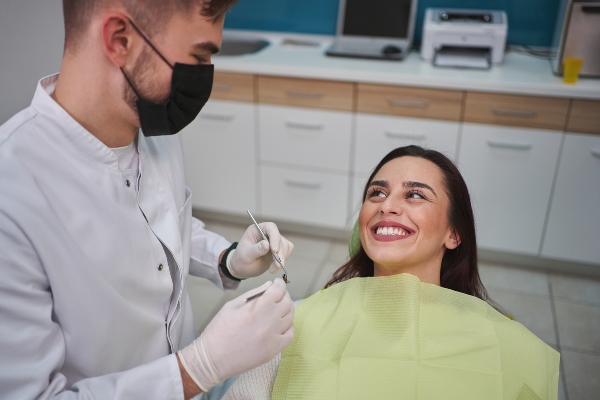
Periodontics is a special branch of dentistry that focuses entirely on the gums and the bone supporting your teeth. Our professionals in this field can help prevent, diagnose, and treat diseases that affect these soft tissues. From routine deep cleanings to complex surgeries, periodontics covers all aspects of gum care.
Understanding Periodontal Disease
So, what is periodontal disease? It’s an infection of the tissues that hold your teeth in place. Periodontal disease usually starts with a sticky film of bacteria called plaque. If you don’t remove this plaque through brushing and flossing, it will harden into tartar. Over time, the tartar can build up under your gumline and cause the gums to pull away from your teeth, creating small pockets that collect even more bacteria.
Periodontal Disease Signs and Symptoms
It’s worthwhile to ask, “How do I know if I have periodontal disease?” The symptoms can be mild at first, making them easy to ignore. We recommend watching out for the following warning signs:
- Red, swollen, or tender gums
- Gums that bleed easily when you brush or floss
- Bad breath that won’t go away
- Gums that have pulled away from your teeth
- Loose teeth or painful chewing
Diagnosing Periodontal Disease
If you notice any of the above symptoms, you should have one of our doctors examine your mouth. We’ll look for plaque and tartar buildup and use a tiny ruler to measure the depth of the pockets around your teeth. Healthy gums have very shallow pockets, while deep pockets usually indicate some level of gum disease. We may also take dental X-rays to check for bone loss.
Ways to Treat Periodontal Disease
There are several ways to restore your oral health even after being diagnosed with periodontal disease, but treatment depends on the severity of your case.
In the early stages, a deep-cleaning method called scaling and root planing is often sufficient. This removes tartar from above and below the gumline.
If the disease has progressed, you might need surgical periodontics. But what is periodontal surgery? It’s a procedure that involves folding back the gums to remove deep-hiding bacteria. Sometimes, bone or tissue grafts are also needed to repair damage caused by the infection. Your doctor will explain which treatment is right for you.
Can Periodontal Disease Be Reversed?
In the earliest stage of periodontal disease, known as gingivitis, it can be reversed with good daily brushing and flossing, along with regular dental cleanings. However, once it advances to full periodontal disease, the bone and tissue damage cannot be completely reversed. It can only be managed and stopped from getting worse.
FAQ About Periodontal Disease
Gum disease isn’t contagious. However, the bacteria that cause it can be passed through saliva. Sharing utensils or toothbrushes can spread these bacteria, so it’s a good idea to maintain good personal hygiene habits.
Yes. Smoking is one of the biggest risk factors for gum infections. It lowers your immune system, making it harder for your body to fight off the bacteria. It also makes treatments less effective.
Following periodontal disease surgery or deep cleaning, you should eat only soft, cool foods for the first few days. Good options include yogurt, scrambled eggs, mashed potatoes, and smoothies. Avoid spicy, crunchy, or hot foods until your gums have healed.
Contact Us for Periodontal Disease Treatment in Atlanta, GA
If you’re experiencing symptoms of periodontal disease or have concerns about your smile, there’s no better team to call than Atlanta Oral & Facial Surgery. Our skilled professionals will help restore your oral health and smile at a Metro Atlanta clinic near you. Contact us today to schedule a consultation.